

Why Value Beliefs Decide the Direction of Your Life
Every result in your life is being driven by something deeper than effort, discipline, or desire.
You do what you do and avoid what you avoid because of what you believe is true about yourself. Not what you say out loud. Not what you hope is true. What you actually believe.
Those beliefs were not chosen intentionally. They were formed through experience, survival, protection, and repetition. Some of them helped you make sense of the world. Some helped you cope. Some helped you stay safe.
And some of them are now quietly limiting what feels possible for you.
This article is about belief creation. More specifically, it is about value beliefs, because value beliefs are at the foundation of everything else.
When value beliefs change, behavior follows. When value beliefs remain untouched, progress stalls no matter how hard someone tries.
Behavior Beliefs Are Not the Root
Most people focus on beliefs that show up in daily behavior.
These sound like
- I am always late
- I cannot remember names
- I am bad with money
- I am too old for that
- I will never make that much
These beliefs matter. They affect habits, choices, and outcomes. But they are not where the problem starts.
They are downstream.
Trying to fix behavior beliefs without addressing what sits underneath them is like trimming branches while ignoring the roots.
Value Beliefs Are the Foundation
Under every behavior belief is a value belief.
Value beliefs answer questions most people never consciously ask, yet live by every day.
The Questions Value Beliefs Answer
Value beliefs answer questions like
- What am I worth
- What do I deserve
- What is allowed for someone like me
- How much success, love, peace, or abundance fits me
These answers shape what feels reasonable to pursue and what feels off limits.
If someone quietly believes they are less deserving, their life will reflect that belief no matter how capable they are.
Why the Brain Defaults to Feeling Less Than
The human brain is designed to protect, not to help you thrive.
It looks for danger. It predicts outcomes. It tries to reduce risk. One way it does that is by lowering expectations.
Beliefs that say you are not quite good enough, not quite capable, or not quite deserving often formed for a reason. At one point, they may have helped you avoid disappointment, rejection, or harm.
The problem is that protection eventually turns into limitation.
What once kept you safe can later keep you small.
How Value Beliefs Shape Results
What you believe about your value shapes how you feel.
How you feel shapes what you do.
What you do creates results.
This is not motivational language. It is cause and effect.
When someone believes their value is uncertain, they spend energy proving it. When someone believes their value is stable, that energy becomes available for connection, creativity, leadership, and growth.
Perfect Value Does Not Excuse Behavior
This needs to be clear.
Believing you have perfect value does not excuse harmful behavior.
It does not remove responsibility.
It does not erase consequences.
It simply separates what you have done from what you are worth.
Human beings make mistakes. They fail. They hurt people. They regret choices. None of that determines value.
Value is not earned through performance and it is not lost through failure.
Why Belief Change Often Backfires
Many people recognize a weakness in their value belief and try to replace it immediately.
They tell themselves they are worthy. They repeat affirmations. They visualize a better future. And then they get stuck or frustrated.
This happens because the brain still believes the old belief is necessary.
Before change can happen, the brain must see that staying the same costs more than trying something new.
Step One
Understanding Why Your Old Belief Made Sense
Your old belief was not a mistake.
It was a reasonable response to what you lived through.
Your brain formed it to protect you, help you cope, or predict outcomes. Before letting it go, the brain needs acknowledgment.
Exercise One
Acknowledging the Purpose of the Old Belief
Write down one to three ways your old belief helped you at the time.
Ask yourself
Why would this belief have made sense based on my life
How did it help me cope, protect myself, or get through something
This step removes self blame and resistance.
Step Two
Recognizing When the Belief No Longer Serves You
Next, write down one to three ways the belief is now holding you back.
Look for
- Where it limits opportunity
- Where it affects relationships
- Where it restricts growth or peace
This helps the brain see that the cost of staying the same is higher than the risk of change.
Step Three
Seeing the Benefit of a New Belief
Now write down one to three ways the belief you want would improve your life.
Do not try to prove it yet. Simply identify the upside.
This positions the brain to cooperate with change.
Step Four
Reflecting Without Distraction
Spend ten uninterrupted minutes reflecting on the cost versus benefit.
No phone.
No noise.
No multitasking.
The goal is not certainty. The goal is agreement that change is reasonable.
Removing Internal Resistance
Resistance does not mean something is wrong.
If part of you feels blamed, defective, or forced, belief change will stall.
The goal is permission, not pressure.
Honoring What Your Past Gave You
Your past shaped you.
The beliefs you formed were reasonable responses. They also gave you strengths.
Exercise Two
Identifying What You Gained
Write down one to three positive traits you gained from living your life as it has been.
These might include compassion, resilience, awareness, empathy, or strength.
Your past was not wasted.
Visualizing Life With the New Belief
Spend ten minutes visualizing yourself living with your new belief.
Notice how you feel.
Notice how you relate.
Notice how decisions change.
Focus on the feeling more than the image.
When a Belief Feels Overwhelming
If visualization feels genuinely overwhelming, the belief may be too large right now.
This does not mean it is wrong.
It means you need to ladder.
Laddering Beliefs
Choose a belief that feels possible.
Once that belief stabilizes, move to the next step.
Backing down is not failure. It is good judgment.
You Can Choose What You Believe
This is rarely said plainly.
You can believe anything about yourself.
There are no laws that restrict belief choice. The only requirement is that the belief feels possible and improves your life.
What a Belief Actually Is
A belief is a thought you continue to hold and prove to be true.
Beliefs shape behavior.
Behavior shapes action.
Action creates results.
That is how a life is built.
The Core Truth About Value
Nothing you have done.
Nothing you have failed to do.
Nothing that has been done to you.
Has ever reduced your value.
Never has.
Never will.
You are 100 percent.
Final Thought
This work is not about becoming someone else.
It is about removing what has been quietly blocking who you already are.
My mission is to improve your life! Find out more at shanejacob.com and remember, your perfect value is non-negotiable!
FREE RESOURCE


Want stronger, closer relationships with your kids, your spouse, and everyone who matters most?
You deserve it. And you can!
Sign up for weekly tools to communicate better, connect deeper, and create more trust and love in every relationship.
Your guide to understanding yourself and the people you love on a whole new level.
Sign up here:
Thank you! Your submission has been received!
Oops! Something went wrong while submitting the form.

FREE RESOURCE
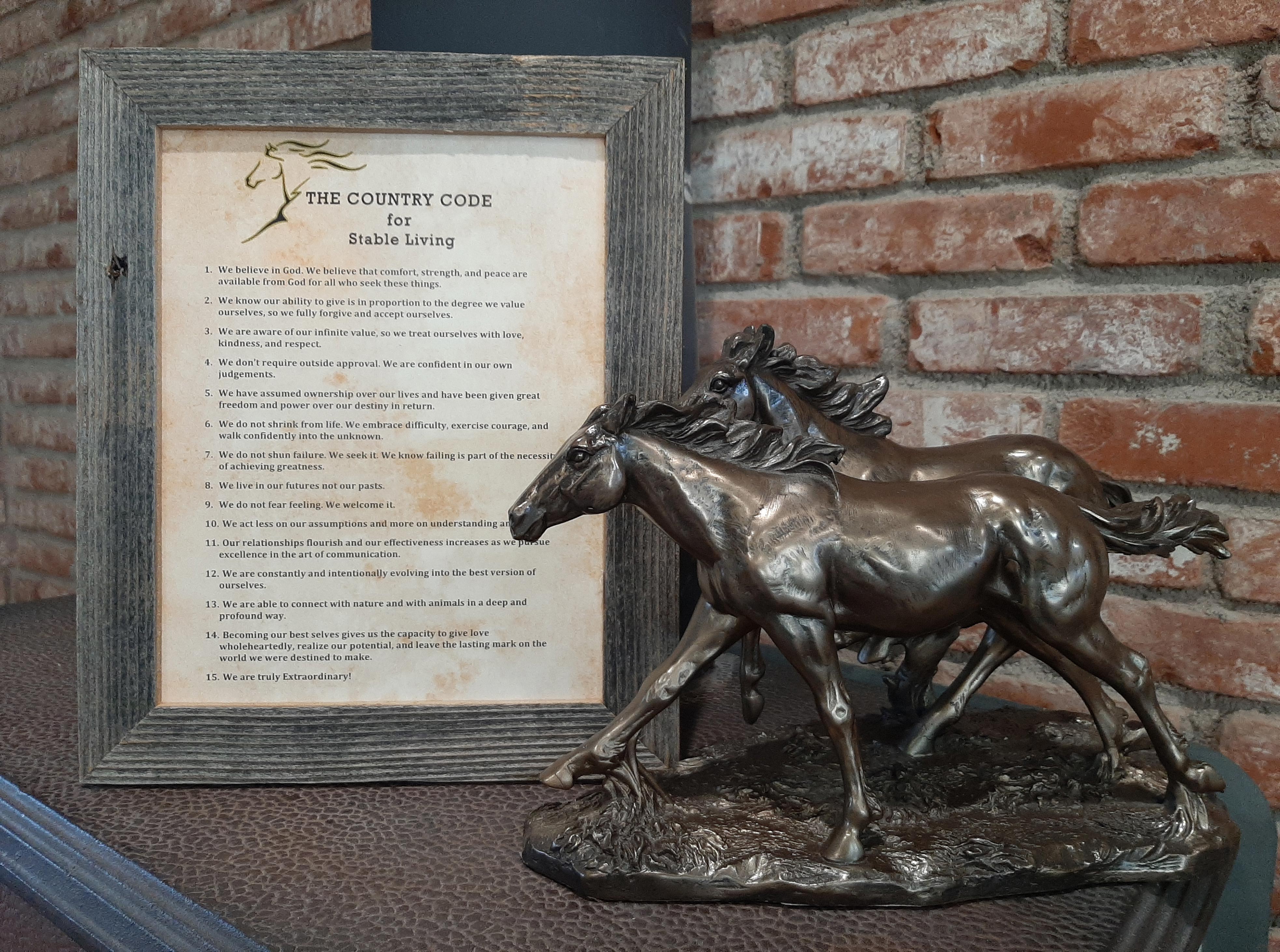
The Country Code for Stable Living:
The Country Code is words to live by. It’s what we stand for. It’s yours free to display and read for inspiration, motivation, and hope when you’re feeling down.
Print it. Frame it. Live It. Love It.
Live by the Country Code.
It’s time to Thrive!
Enter your info below to get a free printable, frameable Country Code
Print it. Frame it. Live It. Love It.
Live by the Country Code.
It’s time to Thrive!
Enter your info below to get a free printable, frameable Country Code
Thank you! Your submission has been received!
Oops! Something went wrong while submitting the form.