

What Is Procrastination, Really?
It’s more than just “putting things off.”
Psychologists define procrastination as a voluntary delay of an intended action despite knowing it will make you worse off.
For some people, it feels completely out of their control. Like they can’t make themselves do the thing, no matter how important itis.
Here’s what’s really going on when we procrastinate:
- We avoid negative emotions like anxiety, boredom, frustration, or self-doubt.
- We prioritize feeling good right now over what will benefit us later.
- We set impossible standards and freeze when we can’t meet them.
- We justify procrastinating by “doing other” tasks that feel productive but are really avoidance.
The Present You vs. Future You Problem
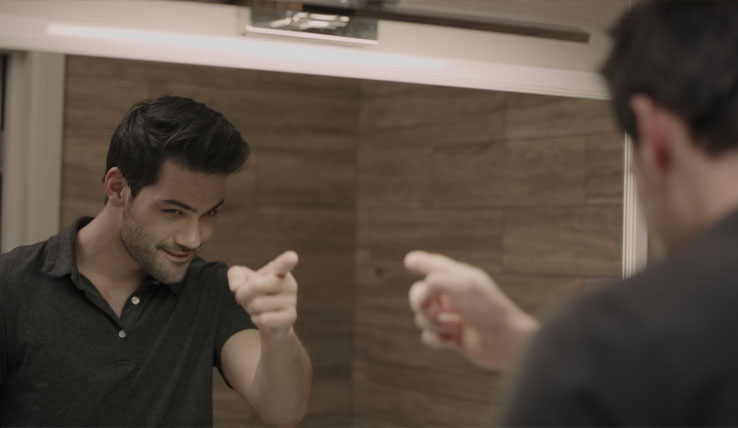
We care too much about Present You and not enough about Future You.
Present You wants comfort, ease, and instant gratification. Future You wants results, progress, and long-term benefits.
The costs of procrastination often don’t show up until later. That’s why Present You keeps winning… unless you learn to pull the future payoff into the present moment.
Why Perfectionism Makes It Worse
One of the biggest drivers of procrastination is fear of failure.
We think, “If I can’t do it perfectly, I won’t do it at all.”
This is a trap. My mentor taught me to aim for B- work — because done is better than perfect.
When you tie your self-worth to your achievements, you start avoiding anything that could make you feel “not good enough.” Procrastination becomes a shield… but it’s one that eventually makes you feel worse.
Why Self-Compassion Beats Self-Criticism
If you beat yourself up for procrastinating, you create more guilt and shame and those emotions fuel even more procrastination.
When you treat yourself with kindness, acknowledge that procrastination is human, and forgive yourself for past delays, you break the cycle.
Self-compassion builds the confidence you need to take action without fear.
Three Ways to Procrastinate Less Starting Today
1. Put It in Writing
Live on purpose. Put it on your calendar so it has a place in your day, not just in your mind.
2. Visualize Your Future Self
Picture how proud you’ll be after the work is done. Imagine:
- Losing those 30 pounds
- Saving that money
- Finally launching the project you’ve been talking about for years
Thoughts I use and you can borrow:
- This is my moment
- I only have one life
- No regrets
- My future self is gonna love me
- I am willing to do what most won’t, so I will have what most don’t
- I am not afraid
3. Embrace the Uncomfortable
It’s rarely as bad as you think. As Ed Mylett says — be with it. Don’t run from discomfort. Walk through it.
The Payoff of Procrastinating Less
Every day, we face hundreds of tiny decisions. When you procrastinate less, you experience more peace, more self-respect, and more capacity to give to the people you love most.
This isn’t about doing more for the sake of doing more. It’s about creating a life you’re proud of.
Ready to stop procrastinating and start living on purpose?
We dive deep into this and so much more inside Stable Living Coaching.
Sign up for your free 14-day trial today at stablelivingcoaching.com
Remember… You cannot fail if you Don’t Ever Stop Chasin’ It!
FREE RESOURCE


Want stronger, closer relationships with your kids, your spouse, and everyone who matters most?
You deserve it. And you can!
Sign up for weekly tools to communicate better, connect deeper, and create more trust and love in every relationship.
Your guide to understanding yourself and the people you love on a whole new level.
Sign up here:
Thank you! Your submission has been received!
Oops! Something went wrong while submitting the form.

FREE RESOURCE
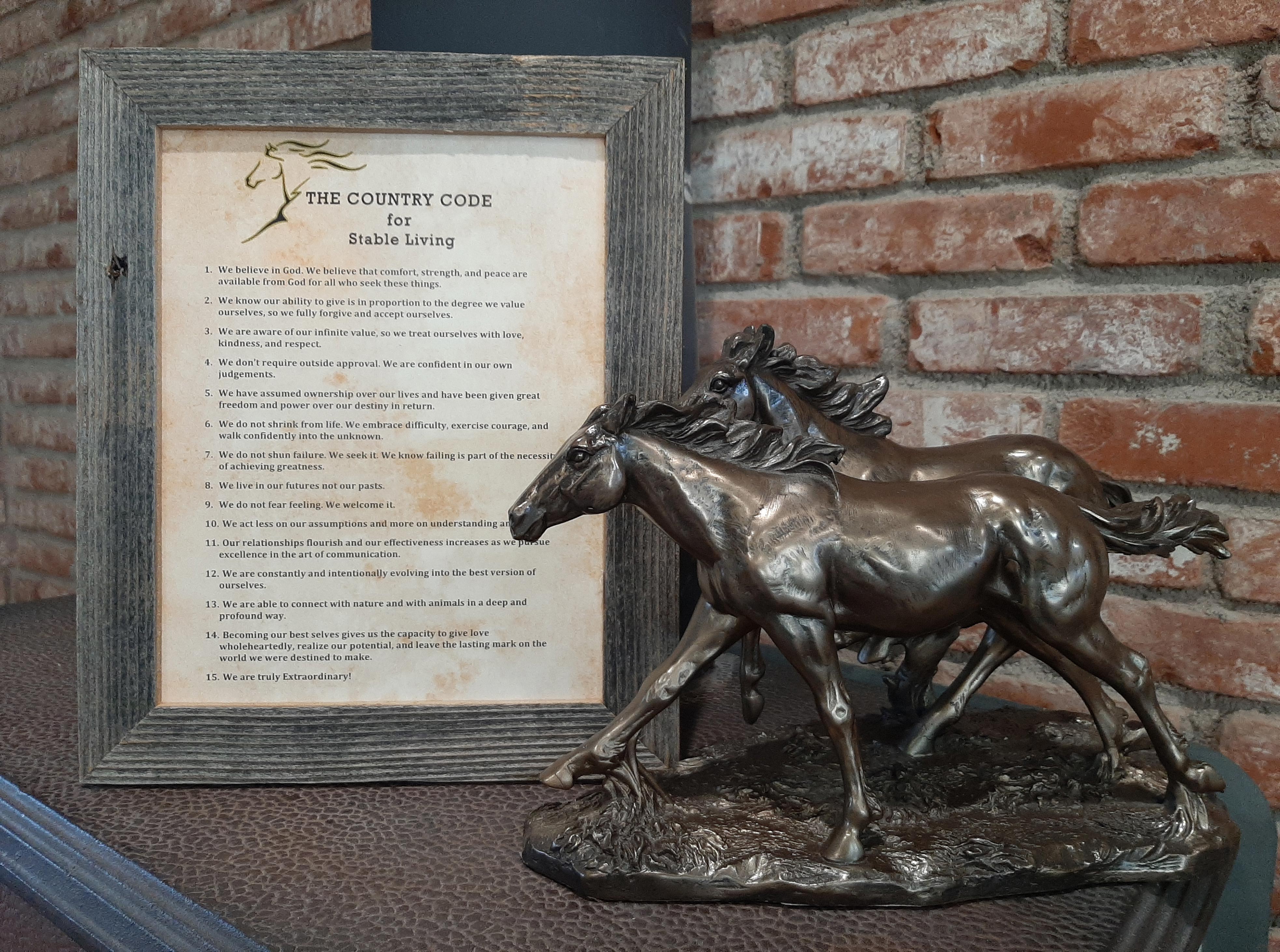
The Country Code for Stable Living:
The Country Code is words to live by. It’s what we stand for. It’s yours free to display and read for inspiration, motivation, and hope when you’re feeling down.
Print it. Frame it. Live It. Love It.
Live by the Country Code.
It’s time to Thrive!
Enter your info below to get a free printable, frameable Country Code
Print it. Frame it. Live It. Love It.
Live by the Country Code.
It’s time to Thrive!
Enter your info below to get a free printable, frameable Country Code
Thank you! Your submission has been received!
Oops! Something went wrong while submitting the form.