

A Moment of Shame (and What It Taught Me)
I was at the county government building, filing some forms to comply with local regulations. I didn’t realize I needed to fill out the forms before getting in line, so when my turn came, I scrambled to complete them without a clipboard, rushing and scribbling to avoid losing my spot.
When I finally reached the counter, the clerk pointed out that my writing was sloppy and unreadable. She handed me new forms and asked me to redo them. Frustrated and embarrassed, I lashed out with curt comments about their process. As I left, I felt tightness in my chest and anger in my thoughts.
But deep down, I wasn’t mad at her. I was mad at myself. My reaction was rooted in shame, shame that I’d acted hastily, presented poorly, and taken my feelings out on someone who didn’t deserve it.
The Pattern of Shame and Guilt
This isn’t just my story. It’s a pattern I see in my coaching clients and hear from people all the time:
- We react without thinking.
- We feel guilty for how we acted.
- We uncover why we reacted.
- We feel even more guilt for our reasons.
This cycle leaves us stuck in shame, convinced we’re failing as people. And here’s the kicker: none of this moves us forward.
Shame doesn’t build confidence or inspire change, it keeps us small. But the truth is, you don’t have to live there. You’re not inferior, broken, or unworthy. Your value is built-in, not based on perfection. And I’ve got three steps to help you embrace your imperfections and move toward growth.
The 3 Steps to Loving Your Imperfections
1. Connect the Event to a Core Value
You’re not a bad person. You’re a good person who acted in away that clashed with your values. Pinpoint which value caused your discomfort.For example:
- Did you react because you value kindness and didn’t live up to it?
- Were you upset because you value progress and felt stuck?
- Did your reaction clash with a belief in clear communication or respect?
Identifying the value behind your reaction reframes it. Instead of proof that you’re failing, it’s proof that you care about being better.
2. Make Amends
Sometimes, you can’t fix everything. But you can do what’s in your power:
- Apologize if it feels right.
- Acknowledge your behavior without excuses.
- Do what you can to restore respect or trust.
Making amends isn’t just for the other person, it’s a step toward regaining your own self-respect.
3. Reframe and Celebrate Your Growth
Shift your mindset from self-blame to self-recognition. Instead of replaying what went wrong, celebrate what you learned and the steps you’re taking to improve. For example, I reframed my experience at the counter like this:
- I value constant progression, and this moment helped me see where I can grow.
- I acted against my value of kindness, but I owned up and apologized.
- I’m proud that I recognized my behavior and chose to do better next time.
From “What’s wrong with me?” to “I’m proud of myself for growing”—that’s the power of reframing.
Why This Matters
These small mental shifts can lead to massive results. They break the cycle of shame, build self-respect, and create real momentum for personal growth.
In my coaching work with Stable Living, we dive deep into patterns like this, helping people find clarity and move forward with confidence. If this resonates with you, check out my Stable Living Coaching program to learn more.
What You’ll Discover in Stable Living
- How to identify the core values behind your emotions.
- Simple tools for breaking the cycle of shame.
- The mindset shifts that create lasting growth.
- Real-world examples to help you apply these steps in your life.
- Why your imperfections are your greatest teachers.
- How to turn self-doubt into self-respect.
Embracing your imperfections isn’t about settling, it’s about recognizing your worth and choosing to grow. The next time you feel like you’ve fallen short, remember: your value isn’t up for debate. You’ve got what it takes to make positive changes and live in alignment with who you want to be.
Let’s get to work.
FREE RESOURCE


Want stronger, closer relationships with your kids, your spouse, and everyone who matters most?
You deserve it. And you can!
Sign up for weekly tools to communicate better, connect deeper, and create more trust and love in every relationship.
Your guide to understanding yourself and the people you love on a whole new level.
Sign up here:
Thank you! Your submission has been received!
Oops! Something went wrong while submitting the form.

FREE RESOURCE
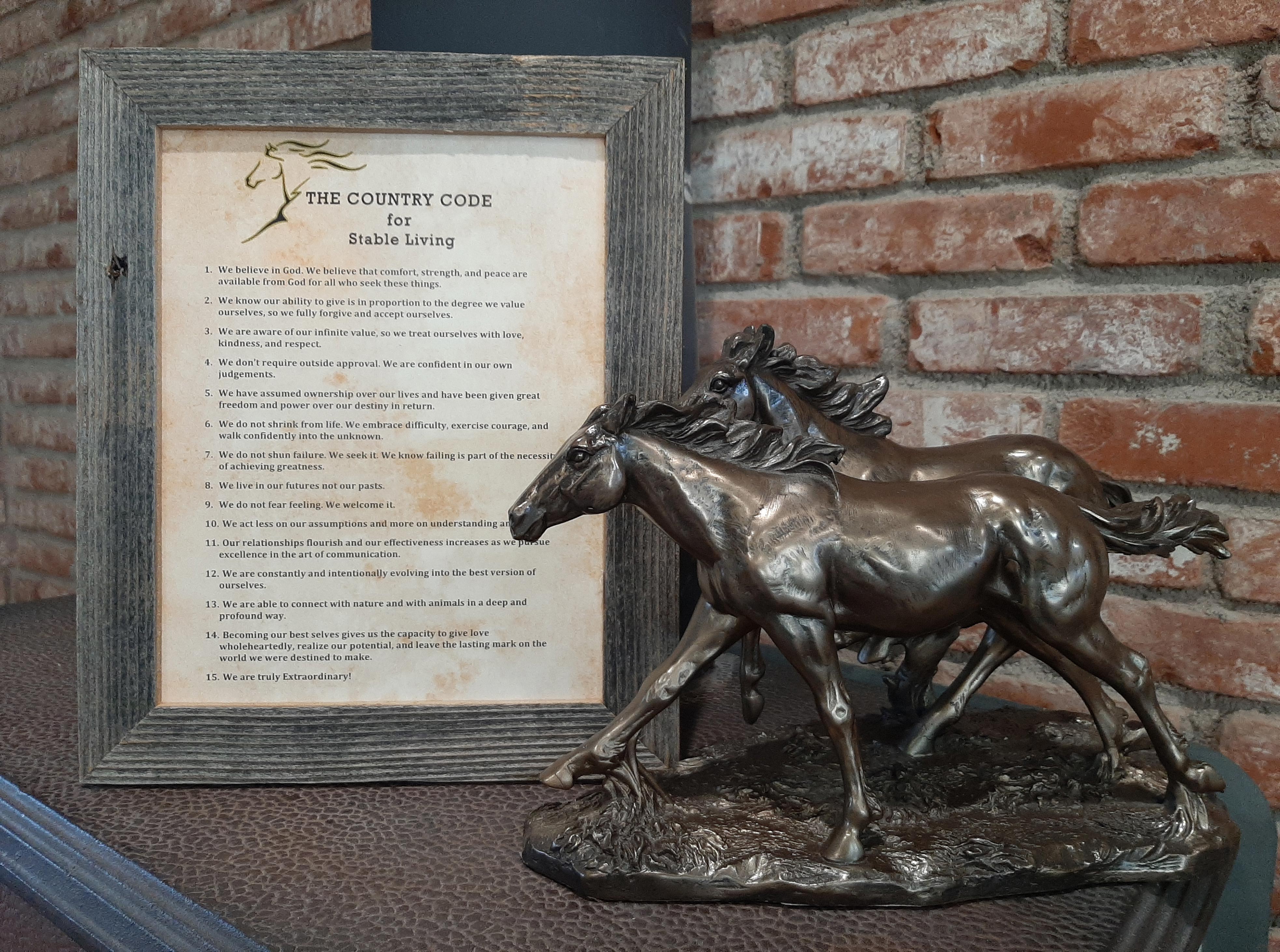
The Country Code for Stable Living:
The Country Code is words to live by. It’s what we stand for. It’s yours free to display and read for inspiration, motivation, and hope when you’re feeling down.
Print it. Frame it. Live It. Love It.
Live by the Country Code.
It’s time to Thrive!
Enter your info below to get a free printable, frameable Country Code
Print it. Frame it. Live It. Love It.
Live by the Country Code.
It’s time to Thrive!
Enter your info below to get a free printable, frameable Country Code
Thank you! Your submission has been received!
Oops! Something went wrong while submitting the form.