

Teasing Hides Behind Humor
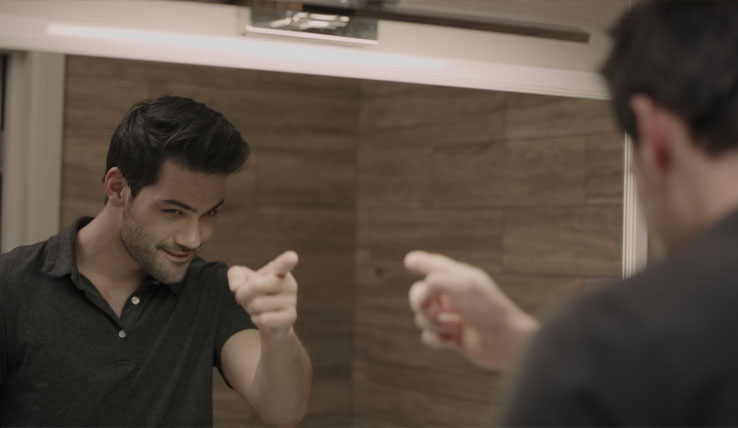
I’m the oldest of eight. My mom used to tell me, “Quit teasing your brothers and sisters.” Did I listen? Sometimes. Then I grew up and thought it was fine to keep doing it.
Here’s the thing: even when you think teasing is playful, there’s always a target. Someone is being made fun of. Psychologists once claimed teasing could strengthen bonds. Now they say it reinforces hierarchy and power, not connection. And that matches what I’ve seen in my life.
At home, I used to tease my wife without thinking. She’d say, “I bought these on sale,” and I’d blurt out, “Why didn’t you get seven?” My words weren’t funny. They created confusion. They didn’t communicate anything I actually wanted to say.
At work, I did it too. Someone would ask, “Should so-and-so go deliver this hay?” I’d joke in front of everyone, “Yeah, he hasn’t had an accident in two hours. Why won’t you have him go?” It seemed lighthearted, but the underlying message was sarcasm and subtle criticism. It didn’t build trust. It created uncertainty.
That’s the reality of teasing. It disguises criticism, avoids responsibility, and pretends it’s harmless humor.
The Hidden Motives Behind Teasing
Why do we tease? Usually, it’s not because we’re funny. It’s because we’re avoiding discomfort. It’s easier to make a joke than to have a hard conversation.
Here’s what teasing really reflects:
- Low self-worth: We need to feel superior by putting someone else down.
- Emotional immaturity: We don’t know how to express feelings directly.
- Fear of intimacy: Teasing creates distance so we don’t have to be vulnerable.
- Desire for control: Sarcasm becomes a way to manipulate or assert power.
When you laugh along at someone else’s expense, it often isn’t genuine humor. It’s compliance, hiding discomfort, or pretending it’s fine when it isn’t.
The Different Faces of Teasing
Teasing doesn’t always look the same. It comes in different forms, but the result is usually the same: confusion and eroded trust.
- Playful teasing: Light sarcasm or joking that seems harmless. Often it hides discomfort with honesty. It can still create uncertainty for the other person.
- Affectionate teasing: Couples or parents might think teasing shows closeness. But underneath, it often avoids real vulnerability. The outcome? Less intimacy, not more.
- Public or group teasing: Jokes at someone’s expense in front of others. Hidden motives: superiority or insecurity. Outcome: damaged confidence, reinforced hierarchy, not connection.
- Habitual teasing: Constant jabs and sarcasm. Hidden motives: chronic insecurity, emotional laziness, avoidance of real communication. Outcome: shallow relationships with no depth.
How Teasing Hurts Relationships
Teasing chips away at trust. It leaves the target questioning:
- Was that a joke or serious?
- Are you laughing with me or at me?
- What is the real message here?
Even if someone laughs, it often isn’t genuine. It’s a way to endure discomfort or social pressure. Over time, repeated teasing creates emotional confusion and weakens bonds.
I’ve seen it in families, marriages, workplaces, and friend groups. What we often call “funny” is just a shortcut for avoiding honesty. It doesn’t resolve conflict. It doesn’t build connection. It doesn’t help anyone grow.
Breaking the Cycle
Here’s the good news: teasing can be stopped. But it takes awareness and courage.
Start by asking yourself:
- Why am I teasing?
- What am I avoiding?
- What do I really want to communicate?
Catch yourself in the moment. If you feel the urge to make a joke or sarcastic jab, pause. Speak clearly instead. Say what you mean without hiding behind humor.
It works. The more you do it, the more trust you build. Relationships feel safer. Communication becomes clearer. The chaos fades. And your words start to build instead of break.
Real Strength Is Being Honest
Real strength isn’t having a quick comeback or a funny joke. Real strength is speaking your truth, being vulnerable, and showing courage in communication.
Every word you say either builds someone up or chips away at their confidence. The more intentional and honest you are, the stronger your relationships. The more peace you’ll feel.
I’m still learning. I slip up sometimes. But every time I catch myself and communicate directly instead of teasing, the result is undeniable. Better trust. Less confusion. Stronger connections.
The Takeaway
Teasing is not connection. It is disguised criticism, anger without ownership, and fear dressed as humor. It wastes time, erodes trust, and keeps relationships shallow.
Stop teaching your kids, your spouse, or your colleagues that sarcasm and ridicule are normal. Stop hiding behind jokes. Speak your truth. Take responsibility for your words. Build clarity, honesty, and trust.
When you do, you’ll notice the difference immediately. Peace replaces confusion. Depth replaces surface-level interactions. And real connection, not fake humor, becomes possible.
FREE RESOURCE


Want stronger, closer relationships with your kids, your spouse, and everyone who matters most?
You deserve it. And you can!
Sign up for weekly tools to communicate better, connect deeper, and create more trust and love in every relationship.
Your guide to understanding yourself and the people you love on a whole new level.
Sign up here:
Thank you! Your submission has been received!
Oops! Something went wrong while submitting the form.

FREE RESOURCE
The Country Code for Stable Living:
The Country Code is words to live by. It’s what we stand for. It’s yours free to display and read for inspiration, motivation, and hope when you’re feeling down.
Print it. Frame it. Live It. Love It.
Live by the Country Code.
It’s time to Thrive!
Enter your info below to get a free printable, frameable Country Code
Print it. Frame it. Live It. Love It.
Live by the Country Code.
It’s time to Thrive!
Enter your info below to get a free printable, frameable Country Code
Thank you! Your submission has been received!
Oops! Something went wrong while submitting the form.