

Horses Teach This Lesson the Hard Way
I worked with a woman whose horse would bolt every time she tried to mount. Not walk. Not trot. Bolt. Full-speed. She was lucky not to be killed.
This didn’t happen overnight. It started small. The horse took a step as she got on. She said nothing. He took two steps the next time. Still no correction. Fast forward, and now the horse runs as soon as she lifts her foot.
Why? Because she unintentionally trained him to believe that’s what she wanted. By doing nothing, she said: Yes. Keep doing that.
You Train What You Allow
Most horse problems aren’t from rebellion. They’re from unclear communication. Same with people. Whether you’re a parent or a partner, if you don’t clearly communicate what you want, you’re sending a message anyway. Silence is a message.
When a horse resists having its head held still for bridling, and you say nothing, or you just work around it, you teach resistance. You reward avoidance. When you do nothing, you teach that nothing is required.
This shows up everywhere: parenting, relationships, leadership. Most of the time when people feel walked on, disrespected, or pushed around, it’s not someone else’s fault. It’s because we haven’t said what needs to be said.
Parents Do the Same Thing
I coached a mom who was at her breaking point with her teenage son. She called him a slob, said she was ready to throw him out. But when I asked what expectations she had clearly stated, she couldn’t answer.
Her communication was sarcasm: "Did a bomb go off in there?"
That doesn’t teach anything. It shames. And it weakens connection. She had never sat down and said, "Here’s how we clean the bathroom. Here’s what I expect. Here’s the consequence if it doesn’t happen." That would take five minutes. But she didn’t. Because it's uncomfortable.
But silence caused resentment. It damaged the relationships he actually wanted to strengthen.
Boundaries Aren’t Meant to Punish
This isn’t about being harsh. It's about being clear. With adults, you don’t get to hand out consequences the same way you do with kids or horses. But you can still set boundaries.
"If you smoke in this car, I won’t ride with you anymore."
You’re not trying to control the other person. You’re making your own standards clear.
Boundaries and consequences work best when they’re delivered with calm, firm love. Not anger. Not sarcasm. Not shame.
The Real Reason We Avoid Clear Communication
It’s not because we don’t know better. It’s because it’s uncomfortable. We don’t want to hurt feelings. We want to be liked. But that delay causes more harm than the truth ever would.
You feel taken advantage of? Ask yourself:
- Have I clearly stated what I want?
- Have I explained the consequence?
- Have I followed through?
Most of the time, the answer is no.
Communicate Like It Matters, Because It Does
When you say nothing, you’re saying something. You’re training the people (and animals) in your life how to treat you.
Instead of hoping they get it, tell them. Clearly. Kindly. Early.
Whether you’re putting a saddle on a young colt or raising a teenager, one truth holds:
If it matters to you, make it known.
You can’t control others. But when you communicate clearly, your influence skyrockets. So speak up. Expect more. Love harder. And never mistake silence for peace.
Final Takeaway
Next time you feel pushed, used, or disrespected, don’t just react. Ask yourself: Have I made it clear what I expect?
That’s where your power is.
Because everything communicates. Even silence.
Sign up for a 14-day free trial and see if coaching is right for you at StableLivingCoaching.com
Want more tools like this? Explore the Stable Living Coaching program and take your next step toward stronger connection, honest leadership, and better outcomes—with your kids, your horses, and yourself.
FREE RESOURCE


Want stronger, closer relationships with your kids, your spouse, and everyone who matters most?
You deserve it. And you can!
Sign up for weekly tools to communicate better, connect deeper, and create more trust and love in every relationship.
Your guide to understanding yourself and the people you love on a whole new level.
Sign up here:
Thank you! Your submission has been received!
Oops! Something went wrong while submitting the form.

FREE RESOURCE
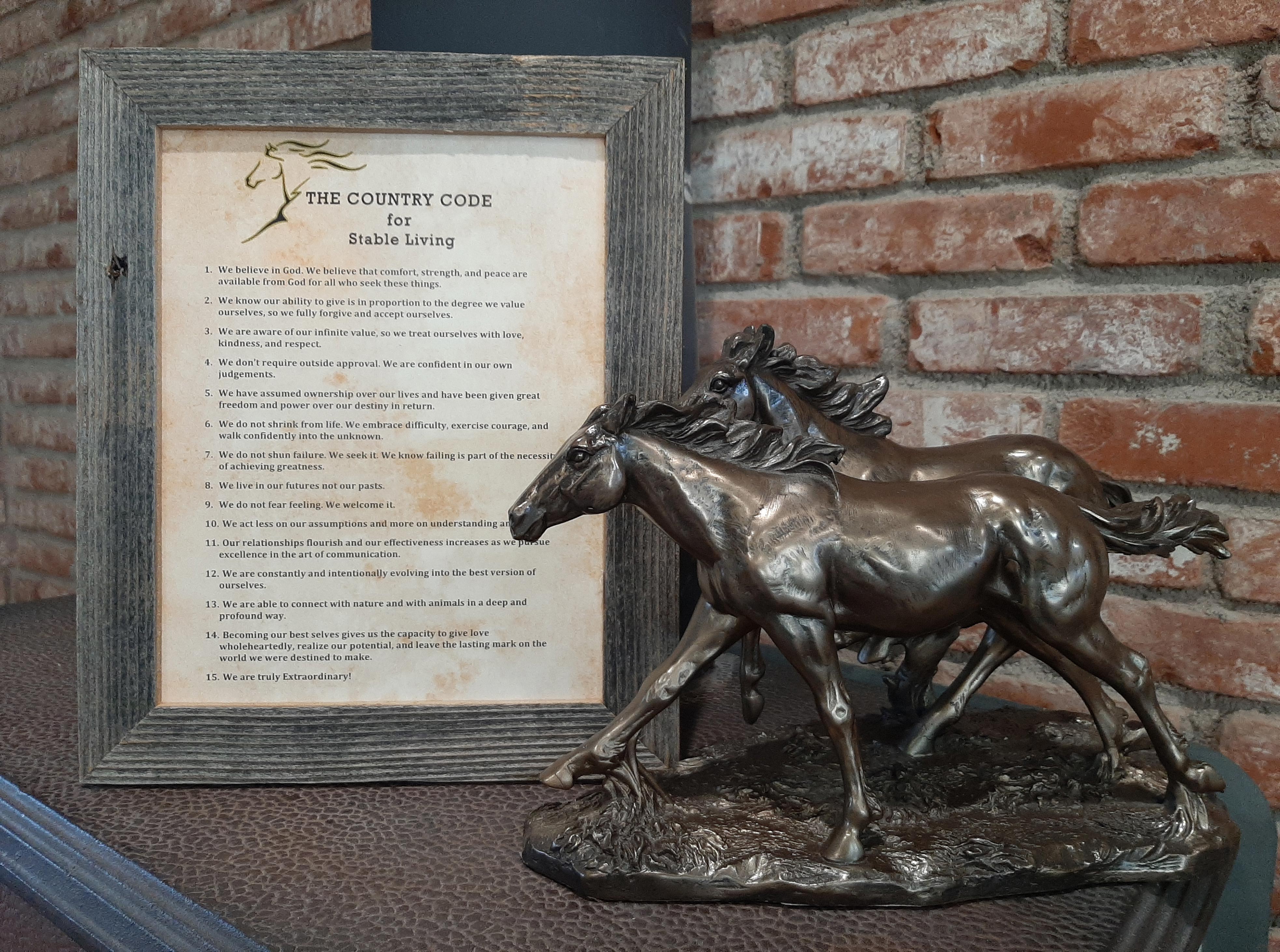
The Country Code for Stable Living:
The Country Code is words to live by. It’s what we stand for. It’s yours free to display and read for inspiration, motivation, and hope when you’re feeling down.
Print it. Frame it. Live It. Love It.
Live by the Country Code.
It’s time to Thrive!
Enter your info below to get a free printable, frameable Country Code
Print it. Frame it. Live It. Love It.
Live by the Country Code.
It’s time to Thrive!
Enter your info below to get a free printable, frameable Country Code
Thank you! Your submission has been received!
Oops! Something went wrong while submitting the form.