

The Cycle of Frustration with Horses
We first experience horses with excitement. We’re living our dream. But that excitement fades fast when the horse won’t do what we want. Or worse, the horse develops new, unwanted behaviors.
Our frustration builds.
We try to figure out what’s wrong with the horse, attempting remedies like:
- Supplements for behavior
- New saddles and tack
- Controlling every external factor (e.g., only riding on calm, sunny days)
Despite all this, frustration eventually turns into fear as the bad behavior escalates.
At some point, most horse owners:
- Quit riding, let the horse become an expensive pet, or sell it.
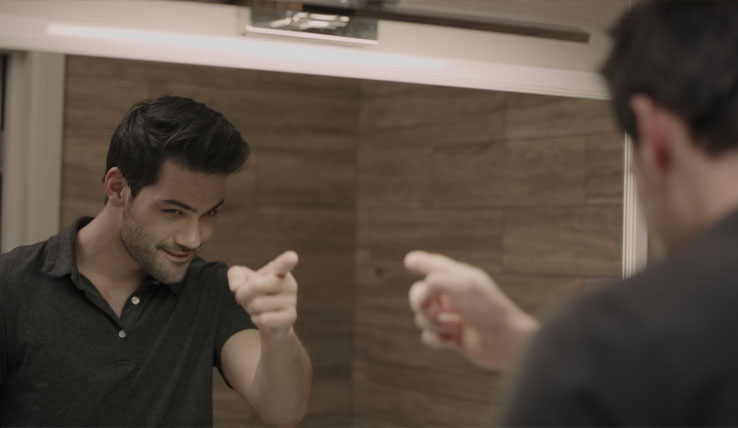
- Take responsibility for their role in the relationship.
Those who choose the latter discover something incredible: much of the horse’s behavior is a reflection of the rider’s actions and emotions.
The Essence of Horsemanship and Parenting
This is where horsemanship has a powerful lesson for parenting. The great horsemen and trainers who achieve remarkable partnerships do so by looking inward and taking responsibility for the outcome.
This same principle applies to parenting. When your teen displays unwanted behavior, it’s easy to focus on what they’re doing wrong. But the key to progress lies in what you can do differently.
Real-Life Example: Video Games
The Usual Reaction
Here’s a relatable parenting scenario: Your teen spends too much time playing video games, and it’s driving you crazy. You think:
- “What’s wrong with them?”
- “Why are they wasting so much time?”
- “Haven’t I told them to stop?”
You feel frustration, and maybe even anger. You might react by yelling, punishing them, or imposing new rules. But the result? Your teen feels misunderstood and resentful, and the cycle continues.
A New Approach
Now, let’s flip the script. Instead of asking what’s wrong with them, you ask:
- “Am I contributing to this problem in any way?”
- “Am I modeling the behavior I want to see?”
- “How might they be feeling that drives this behavior?”
Approach your teen as a calm, confident leader. Show consideration for how they feel. Ask open-ended questions and listen. Have a respectful conversation about the rules, the reasons behind them, and the consequences. Even if they don’t respond how you hope, you can take pride in how you showed up as a parent.
The Power of Intentional Leadership
Parenting with intention means doing all you can to show up as your best self and accepting that your teen has agency to make their own choices. This approach not only feels good—it is good. The awareness and effort you put in will yield meaningful rewards for you and your teen.
Key Takeaways for Parents
- Your influence matters. Your teen’s behavior often mirrors your actions, emotions, and leadership style.
- The solution starts with you. Focus on what you can control rather than what your teen is or isn’t doing.
- Look inward for change. Evaluate how your responses might contribute to the challenges you’re facing.
- Lead with calm confidence. Intentional, patient leadership fosters trust and cooperation.
- Progress takes time. Just like with horses, small changes in your approach can create big shifts over time.
Your Next Step: Watch the Stable Living Information Video
If this message resonates with you, don’t wait to take action. Discover how Stable Living Coaching can transform your relationship with your teen.
👉 Click the button to watch the Stable Living Information Video and start building the trust and connection you’ve been searching for.
FREE RESOURCE


Want stronger, closer relationships with your kids, your spouse, and everyone who matters most?
You deserve it. And you can!
Sign up for weekly tools to communicate better, connect deeper, and create more trust and love in every relationship.
Your guide to understanding yourself and the people you love on a whole new level.
Sign up here:
Thank you! Your submission has been received!
Oops! Something went wrong while submitting the form.

FREE RESOURCE
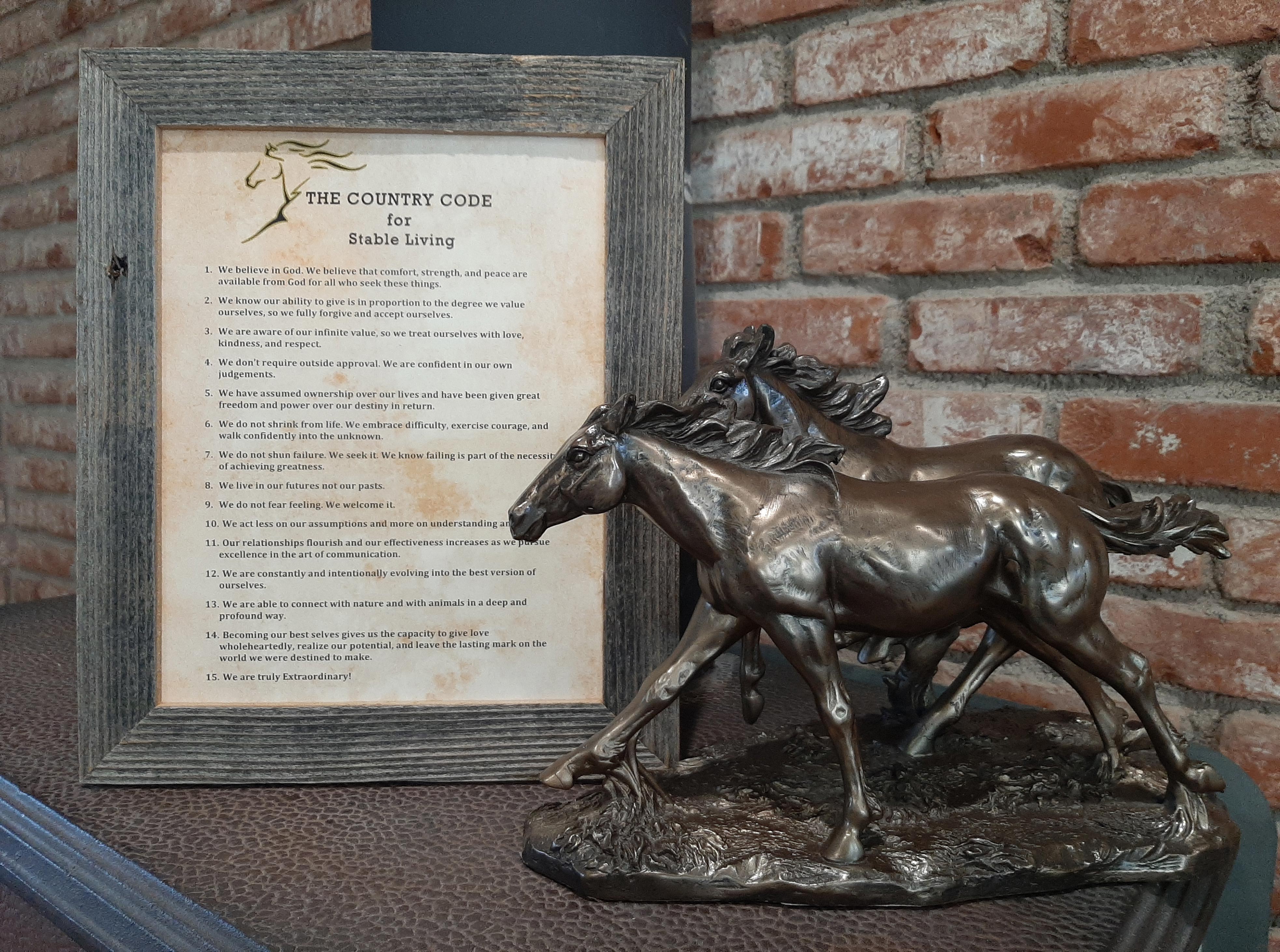
The Country Code for Stable Living:
The Country Code is words to live by. It’s what we stand for. It’s yours free to display and read for inspiration, motivation, and hope when you’re feeling down.
Print it. Frame it. Live It. Love It.
Live by the Country Code.
It’s time to Thrive!
Enter your info below to get a free printable, frameable Country Code
Print it. Frame it. Live It. Love It.
Live by the Country Code.
It’s time to Thrive!
Enter your info below to get a free printable, frameable Country Code
Thank you! Your submission has been received!
Oops! Something went wrong while submitting the form.