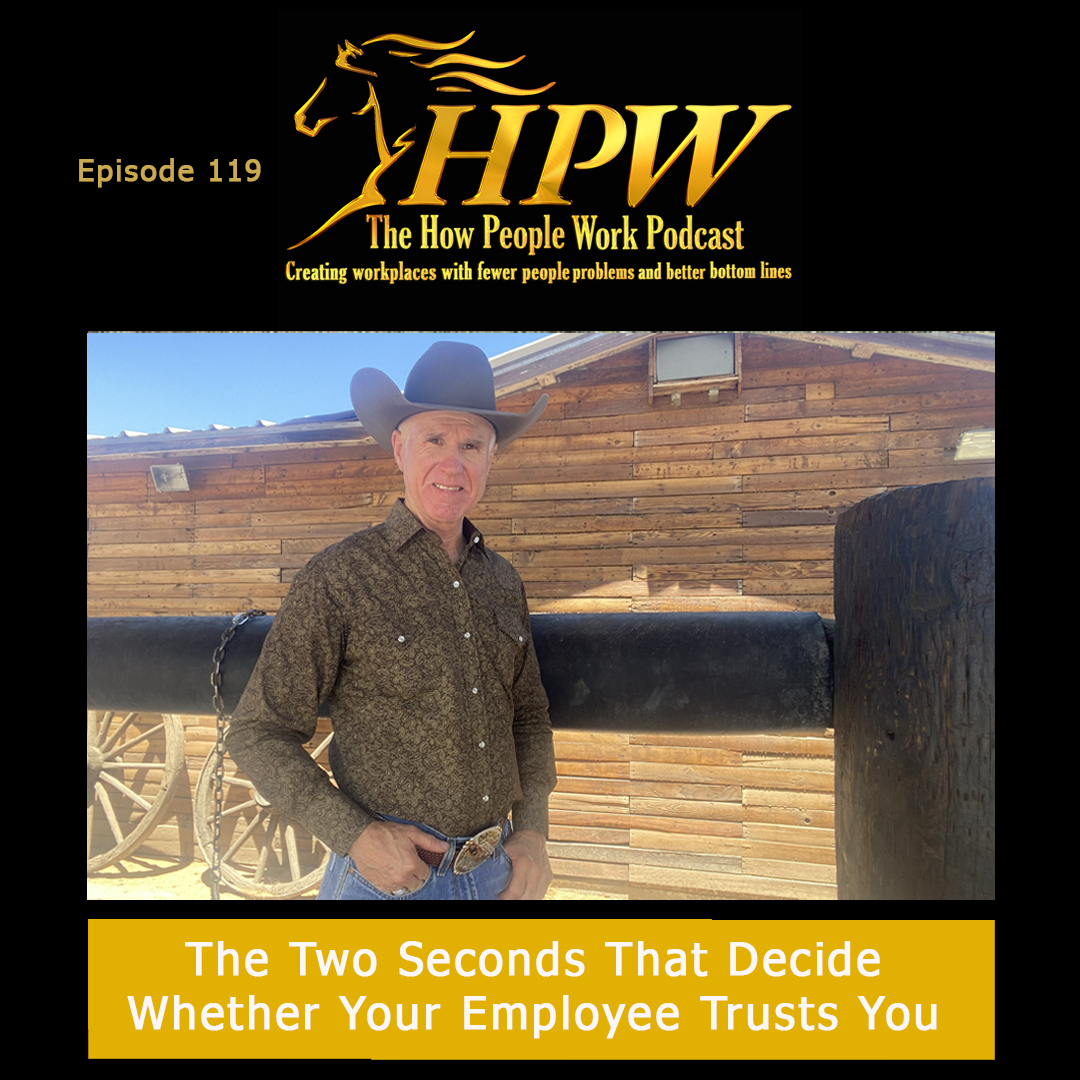
What if at the end of the day you could look back and know you did what was most important to you?
You did what you said you were going to do.
You spent your time on the things that matter to you.
You feel good about how you lived your day instead of wishing you had done something different.
And you become a person you can count on.
It's easy to think managing your time is about getting more things done. But what if the bigger payoff is what happens to you when you consistently do what you say you're going to do?
Your confidence changes.
The way you see yourself changes.
You trust yourself more.
You like yourself more.
And you get to live your life on purpose, doing what's important to you.
Shane explains why this isn't really about getting everything done. It's about deciding what matters, making choices with your time, and becoming the kind of person who follows through.
What would change for you if you could end your day knowing, “I did whatwas most important to me”?
Shane shares the solution to feeling better about how you've spent your time, and it is the solution to seeing changing, and improving how you, what you believe to be true about yourself.
And that has influences and has a tremendous impact on all of your relationships and your work life and your home life and everything that you do.
And it is how you become a highly effective, highly achieving, high performer.
And the only time that we get, I mean, we're only going to get to breathe in and out for so many times on this earth, and then it's going to be over.
Shane speaks and trains on the principles behind better leadership, stronger accountability, and better performance.
Learn more about Shane's system “Credible” on managing your time. Go to theonehorserace.com, and find Shane at shanejacob.com

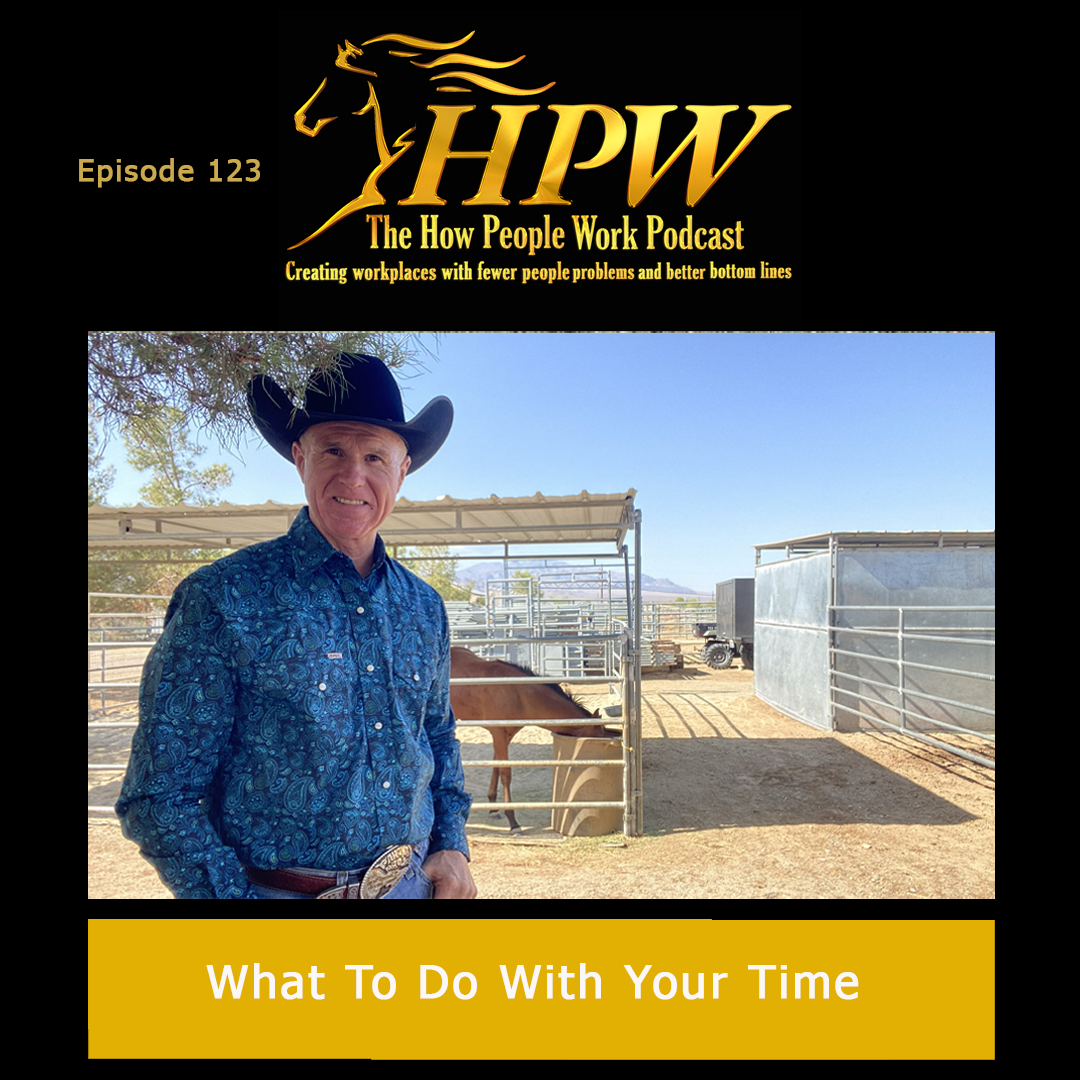
Podcast Episode123 Full Transcript: What to Do WithYour Time
Welcome: Let's Talk About What to Do With Your Time
Ladies and gentlemen, welcome to this episode of the How People Work Podcast. My name is Shane Jacob, your host, and I thank you for taking your time to be here with me today. So, today we're talking about what to do with your time. Okay? Time management, or I prefer to say how we manage ourselves and the amount of time that we have to breathe while we're alive.
We manage ourselves in the allotted time because really we're not managing time, we're managing ourselves. Anyway, whatever. Kind of split in hairs, not really, but I think I'm going to call it personal management or prioritized management or something like that.
And here's the deal: I want to talk to you about this in a whole new way. Today I'm not gonna get into a whole bunch of the how. I have a complete system on the how that I've learned, it's a combination of the people that I've studied in this field over my lifetime, and I've come up with a solid system that works, and it makes tremendous difference in people's lives, and it has in mine, and that's how I know, and I've seen it again and again again in other people. But I want to look at this in a new way, okay? That you I that you won't have seen before. So what I want to talk about is really is the why and less of the how.
The Real Why: Ending Overwhelm
And the why is is so that you can stop feeling overwhelmed. I talk to a lot of people and they feel overwhelmed, and I mean eliminate overwhelm. End of story, gone. No more overwhelm. If you feel overwhelmed at all, have thoughts like, you know, you're never gonna get it all done, I want you to live within your priorities because it feels good when you do that. Okay.
If you're living in accordance or in alignment with or congruent with your priorities that you have, if you're living your life on purpose, you can feel proud of yourself at the end of the day instead of feeling like you're never gonna get it all done and you suck because you never do what you want to do.
Where This System Comes From: Stephen Covey
So let me just tell you where I came up with my system and my philosophy about personal management, and that I started with Stephen Covey. And Stephen Covey, he summed up everything in one sentence that I think is brilliant. I got a couple of concepts from him. One of them is this sentence that basically sums up all of personal management, I'm, that's what I'm calling it from now on, and that is, here's the sentence, ready? Organize and execute around priorities. Boom. End of story. If we can do that, we're winning at life.
So that's really what all of time management is, according to him and according to me. Stephen Covey has these four quadrants that he puts all every activity that whatever we can do, he puts into four quadrants, and he says focus on one of one of these four. And here's the four quadrants.
Stephen Covey's Four Quadrants
Important and urgent. Okay, those are emergencies. Those are things that we have to get done right now. They're important and they have need to be done right now. So that's where we kind of automatically know we have to do this. A lot of the a lot of us just go from one crisis to the next, to the next, to the next, to the next. It seems like we're putting out all these fires here and there. That's important and urgent, and we automatically kind of go and do it because it's urgent and it's important. The next one is important but not urgent.
Those are the things like taking care of your body and, you know, eating right and doing maintenance on your equipment and your vehicles and your maintaining your systems and putting time into relationships and, you know, date night and all the things that nourish relationships, nourish your body and maintain the the asset. He calls it, the what does he call it? The PPC balance, the, anyway, that's more Stephen Covey stuff, but that's the part that's important and not urgent, and he's saying that we should, that's where we should spend our time, because if we take care of what's important but not urgent, we have less crisis, less emergencies over here.
And that's really where the quality of life and it everything rolls in that. The third quad, quadrant is urgent but not important. So what's it, what's urgent but not important? Those are things like a a ringing phone, a pinging notifications, like I gotta go do this, and I gotta go do that. It's like all these distractions that are coming to us. They seem urgent, but when we look at them, they're not important. Unopened mail may or may not be important, and he's saying less time in urgent but not important, and more time in important but not urgent. And then the fourth quadrant is not important and not urgent, and hopefully, you know, we're not spending a whole bunch of time there. It's kind of automatic.
Most of us are not spending a whole lot of time there. We don't want to be over there with our time. That's, anyway, that's a, that's what I took from Stephen Covey. Hopefully that gives you a little context of where I'm beginning to come from. I think it's very interesting, and I've tried to live over a period of really of focusing on what's important but not urgent, in order to have less crisis and increased quality of life.
The Second Influence: Brooke Castillo and Monday Hour One
So that's that's just one little piece of it. Okay. The, let's see, I've also, I've learned from so many people. I've studied a lot of people because time management's this great big, you know, it's a it's so many people have so much stuff about it, but the biggest, the other biggest person I've learned from who actually had a practical system, was my coach and mentor, the owner of The Life Coach School, Brooke Castillo, which I am a certified life coach from The Life Coach School, Brooke Castillo's Life Coach School, and she teaches to her students and in the school and in her programs a program for personal management called Monday Hour One. okay
Monday Hour One is the process of actually taking everything that we want to do for a week, putting it into a calendar, and then following through with what we say. That's a short summary of how it works, but that is the Monday Hour One process that I learned from Brooke Castillo, along with other, you know, all the details of how to make this thing working.
Why This Matters: How You See Yourself
And then from everything I've learned, and primarily these two, I developed my own way of managing myself and my time and my system. Okay? But why? Why is it great, Shane? Congratulations. Why the hell do I care? Here's why. Okay. Because the biggest reward that you're gonna get from managing, from personal management, okay, is not might not be what you think it is. Okay.
The biggest reward and the reason, the why, this is what I want to talk about today. The why is is because what it's going to do to the way that you think about yourself. And that the way that it changes what you think about yourself, that impact, that the result that you're going to get from that in your lifetime, that's the reason. Okay. And let me tell you what I mean by that. Okay. Because as you make decisions in advance.
Now I'll talk more about this, but as you make promises to yourself. For example, if I say, hey, Shane, I'm gonna wake up tomorrow at 5 a.m. and at5 a.m. I'm going to write a chapter in a book, or I'm gonna go work this filly that I'm working, I got this young weanling horse that I'm working right now for a client, and I'm gonna go do that from five to six in the morning. So I just made a promise to myself in the future. In my system I would put it in my calendar, and then when five AM came tomorrow morning, if I woke up at five A. and went and did the thing.
What happens when I do that is that become, I make a promise to myself and I keep it, and I become, over time I become more dependable to myself. My confidence increases, my self image, myself-esteem improves because, because I'm more trustworthy to my, I can depend on me. I'm a person that I can depend on. I am dependable. That's the way I roll. I say it and it happens. That's me. Okay.
And see, as as as I do that habitually, again and again and again, it changes what I believe to be true about myself. And as I become more and more and more dependable and more trustworthy, and more of a person that I can be counted on, and more a person that makes promises and keeps of them, more a person that is disciplined, and more of a person that follows through, and all of the all these thoughts change and become beliefs that I have about me, and those beliefs that I have about me, they come out in everything that I do, and they have a positive impact on all the results in my world.
That is the biggest reason. The biggest reason, because if you don't keep promises to yourself all the time, and hey, nobody does.
I don't, and you don't either. And no one keeps all the promises that they make to themselves. As a matter of fact, most of us have, we've not followed through with so many promises. We're just like, well, I'd like to do it, but I'm not, I can't. We just quit even making promises because we've, we've made a promise and not kept it, and it felt horrible, and then we kept doing it and it, we just keep feeling horrible, so we just quit, quit even trying. Okay. So we're always, but that doesn't mean anything about our value. That doesn't mean anything about us. But our brain can pick it up as meaning, hey, you suck as a human being because you make promises and don't keep them. So that's what can happen, even though that's nota truth.
A truth is that you're 100% valuable whether you keep your promises to yourself or not. But if we want to reinforce to our brain that we are extraordinary, and have the positive impact of that belief in our mind that we're super dependable and all the things I just mentioned about being trustworthy to ourselves, we can reinforce that belief by making promises and keeping them with our time. That is the biggest result.
And it's kind of hard to pin down and actually see if I do this, I get this, because the reward is so tremendous, because it comes out in everything we do, and it influences all the people around us, and and it's just so big it's hard to like really put to to grasp as an idea, but I'm here to tell you it works, and it makes a tremendous difference in your lifetime.
So that's number one, okay, and of course number two is is another, I'm gonna, I'm gonna mention the second one is is like feeling overwhelmed. So many people I talk to, so many people, and by the way, including myself, I've spent most of my life just like there's so many things I wanna do, man, and I can't ever get done. I'm trying to do all this stuff, and there's so much stuff and I can't get it done.
There's so many things that I wanna do. And I've just got them all lined up, and every day I line them all up, and every day I don't get done what I need to do. Again and again and again, I never get it all done. There's never enough time. Listen to these thoughts. Okay, there's, and because these are the kind of thoughts that cause overwhelm. I'll talk more about overwhelm. But the reason is, the why is is that overwhelm, feeling overwhelmed, done. No more. Done deal. Okay. You feel overwhelmed, which feels horrible. It doesn't feel good.
You don't want to be feel have that feeling of overwhelm. This is why. This is why. This managing yourself, making promises to yourself and keeping them, and using this system that I'm describing, this is the end of your overwhelm. Okay.
By the way, little sidenote here, fun fact of the day, also a small bonus, just a little, you know, collateral, if you will, deal that you'll also get if you habitualize this and internalize it and get good at it and practice it and keep working on it, which it's a practice, you know, I don't have it down a hundred percent, but I work at it all every week. And I'm getting better at it. I'm getting pretty good at it at this point.
And that is is the the collateral, the extra bonus is, hey, by the way, you get to get everything done that you chose to do. You get to live on your priorities. And at the end of the, and you get to be a super high achiever. You get to be you get to be so extra effective and productive in your own life that it's just incredible. I mean, there's that too. So these are the reasons. So let's just talk a little bit more about this overwhelm, because I hear it so much and I've lived it so much. Overwhelmed is a feeling, okay?
And I think I would describe it as a negative feeling. It doesn't feel good. We don't set out to feel overwhelmed. And thoughts cause feelings, and the kinds of thoughts that I was mentioning are the kinds of thoughts that cause overwhelm. Okay. I have too many things to do, okay? I have so much to do. All I don't, there's there's never enough time to get it all done. Okay. I can't get it all done. And I can't do a good job with everything I have to do. I never have enough time. There is not enough time. Okay.
These kinds of thoughts are the kinds of thoughts that that cause overwhelm. Okay. Thinking, choosing to think those thoughts causes us to feel overwhelmed. And overwhelm doesn't feel good. And when we don't feel good, we don't work on our to-do list, we don't make our promises and keep them. We just mill around in this, you know, ruminate, we we don't, it's like it, and then it starts to feed itself, and so what I mean by that is is it doesn't feel good and we don't feel good, so then we don't make progress that we wanna make.
We just, get stuck in this don't feel good thing and don't act good. So we do less, okay, and then we're stuck and not feeling good, not accomplishing things, not making progress, and we continue to feel bad.
So I, rather than feeling overwhelmed, I want to, and I think you want to look at yourself and say, I live my life according to my priorities. And I think we all want to do that. Okay? If I asked you, I think you'd say, yes, Shane, what the hell do you think? I want to live. I want to do what's important to me in my lifetime, but I can't, there's not enough time. But, but we can, and there is enough time. Okay?
But so I want to do what's important to me and I want to live according to my priorities, so that when I get to the end of the day, to the end of the to the week, to the end of the month, to the end of the years, the end of my life, and I don't want to get there and realize that I didn't do what I wanted to do. I didn't do what was most important. And then I have all these regrets that I have how I've been spending my time, what I've been doing, and I wish I could have been doing something different with my time. Okay,
Because it feels good to look back on your time and and how you've used it. And that because that time's gone and it ain't ever coming back. Okay. And to look at time and wish that you'd done something different, that feels pretty bad. As opposed to, hey, I made a choice of what I decided was the most important thing to do with my time and that the time that I had, and that is what I did. That feels amazing. And you can choose how you want to live your life and then live it that way. It's up to, it's totally up to your choice.
Brooke Castillo says this, and this is very interesting. It has nothing to do with the amount of things on your to do list. Nothing whatsoever. Okay. You can have ten thousand things to do today or this week, or you can have three things to do today or this week. And one person will have the thousand things and say, I got this, no problem. And somebody'll have three things and they'll be like, there's no way. This is way too much.
You know. And so it it doesn't the number of things isn't the deal. Okay. It's how we are thinking about what we want todo or what we think we have to do. Okay. It's it has to do with our how we're what we're thinking. It has to do with our thoughts. Okay.
I was, I recently a while back, I don't know when, so I somebody said something like we're human beings are the only creatures that have the ability to make decisions in advance. And making decisions in advance is a powerful ability, a powerful gift that we have. It's how I quit drinking, it's how other people quit drinking, quit addictions, it's how we lose weight by choosing what we're gonna eat or not eat in the future, it's how we make promises and keep them. So we, when we make decisions in advance, we don't have to just bounce, spend our lives bouncing around reacting to whatever happens to us.
And I'm talking now about our time, okay? Because if we don't choose what we want to do in advance and then follow through with it, we we're just reactive. We just, something happens, we react, something happens, we react, something happens, we react, something, without a whole bunch of intentional thought or purpose.
And then we get to the end of the day, the end of the week, the end of the month, the end of the year, and the end of our life, and we're going, holy shit, Shane, what the hell have you done? What you been doing? Look at you. You didn't do what, you didn't live the way you wanted to. You didn't do the things that were important. You didn't, you know, this and that and the other. And you don't want to be thinking that. Y
ou don't have to think that, no matter how you live. However, I can assure you that doing it differently and being less reactive is an easier way to live. And you can ac, and it feels better. Okay? And you can accomplish more. You don't have to deal with this overwhelm.
Being able to make decisions int he future is an amazing gift. We get to live our lives on purpose. Let me see and check my notes, make sure I'm not missing anything here.
So we get to decide what we want to do with the time that we actually have, as long as we have to breathe on this earth. So when we follow through with what we've decided, we're not gonna, we're not gonna get everything done that we've ever wanted to get done. Now, here's what I'm saying. If I look at, if I, when I empty my brain, and in in the process of my personal management system we take everything that we want to do that we can think of out of our mind, and we put it on paper, and when we do that, most of the time when I do it for the week I'm like, okay,
I want to do this and this and this and this and this and this, and I put it all on my list, and this and this and this and this and all these things, and yeah, this and this and this and this, and I think it all through and I got all this stuff out. All right, all right, good, and then I start putting it into my calendar, and I start organizing and doing what I, how I want to do each day, and I put it all into my calendar, and guess what, usually happens over here on my list there's still things left to do, okay,
Everything that I want to do didn't fit over here on the calendar. Okay, and you're not gonna probably get everything done of every thought that you've ever had of something that you wanted to do. Okay? But that's not the goal, okay.
If you had a hundred things todo today, but you only had time for twenty, you're gonna put the top twenty into the day. You're gonna prioritize those twenty and do those twenty. And at the end of the day, even though you didn't do the eighty things, you did the twenty. And you will know and you will see and it won't matter. Okay.
It won't matter that you didn't do the 80. You're not gonna still feel overwhelmed. And overtaken and defeated and and and just beat up and devastated because you didn't get the 80 done. What happens? This is the magic of it. What happens is because I chose what to do out of all these thoughts I had of things that I wanted to do. I chose what things to do this day, this week, this month with my life. Okay.
I chose what to do on purpose out of all these thoughts, with the time that I had, and then I followed through and did them. And when I do that process that I just described in that example, I get to feel amazing. And by the way, I do the most things that are most important to me. And I have less regret, if any, and I get to feel better about the kind of person that I am and who I'm becoming and that I'm dependable and, and and then that has all this positive impact. Plus, by the way, I crushed my twenty.
I mean, I went through and boom, boom, boom, boom, got them done, and I feel amazing about all of it. And this is the real key. That the point is, is that every thought that you've ever had about everything that you wanted to do is probably not gonna fit into the amount of of how you wanna do it.
For example, you know, if I wanna spend an hour on, if I wanna spend an hour one hour on eight things. If I want, and I choose to spend one hour on eight things, in eight hours I'm not gonna get more than eight things done.
So if I have twenty things over here. Hundred, I have a hundred, let's go back to my 120, I have a hundred things on my list but I only have twenty hours to do them, and I want to, I want, not they take, I want to spend an hour on each one, and I'm gonna schedule twenty hours, the 80 isn't gonna fit. And what happens when you see that and when you do it and when you go through the process, you don't worry about the eighty.
You can roll them over to next week, you can put them in the calendar in the future, or when they become more important, or you can discard and say, those are things in my life that I'm just not going to do. But it's up to you because you're living on the most, you're prioritizing and doing and following through.
So I like to break it down into a week, okay? And that's again through Brooke Castillo's system Monday Hour 1.She also does it in a week, and I modeled that to to schedule a week in advance.
Some of the things, like I said, they don't fit, I roll them into next week and that's fine. They're just, they're not gonna get done, and it doesn't bother me at all. And it doesn't cause me to feel overwhelmed, because I can see the time that I actually have available.
I can see that I prioritize the most important things that I put into that time. I put it into the calendar. Then the hard part is following through. But if I do that and I keep my promise to myself, at the end of the week, if I done, if I have done what I've laid out in my calendar, I feel amazing. Okay.
And everyone who does this process feels the same way. So again, the promise is I said that I'm gonna do this during this time, and then I followed through and did it. That's make a promise, keep it, make a promise, keep it, make a promise, keep it.
And every time I make a promise and keep it, I become more trustworthy, more dependable to myself. I feel better about myself, and over time it changes the kind of person that I believe I am, and the kind of person that I believe I am is how I is how I is what influences everything I do and how I relate with other people in the world, and that is the most important part of managing yourself, okay, according to me.
And that's why I don't feel overwhelmed now, moving on to overwhelmed. The reason I don't feel overwhelmed is because I've seen all the time available in my calendar, I've prioritized it, and I have lived those priorities as they came up, as the time came up in my calendar, and I knew that there wasn't any other time available, and so therefore I couldn't have done all the other things anyway.
And it turns out a lot of those things that I had on my list weren't really all that important, okay? And I, I guess what I didn't have to do, I didn't have to look back and regret that I didn't do this and that and the other, because I was doing all these other things that weren't that important to do with my time that day.
So at the end of the day and at the end of the week, you get to feel good, okay? You get to become dependent on yourself, it changes how you view yourself. And the, you don't get to feel overwhelmed in the day, you don't have the regret of how you spent your time. And of course, then there's the bonus.
Don't forget that, okay? Don't forget the bonus, okay? That you get to be a highly effective, high achieving person, okay? You can accomplish so much more than most people. It's incredible the amount of stuff that you get to be super high productive.
You get to be a high performer. That's what happens. Because you're making decisions in advance and then having the the discipline, you're following through, you're you're following through. You have to follow through. That's the the difficult part. And I help you with how to get that done in my system.
A lot of times people focus on becoming highly effective and accomplishing more, and that's nice and it's a big deal. But again, the biggest benefits, the real why, is so that you, you can stop feeling overwhelmed, and that is huge, because that really crushes a lot of people's, it feels bad and it doesn't feel, it doesn't make you, it doesn't help you feel good about yourself. It doesn't help you get things done, and we get stuck in the cycle of not getting things done, that just feels worse and worse.
So we get to feel better about ourselves. We get to become more dependable to ourselves. And that changes our what we believe about who we are, and that impacts every other area of our life.
My system I call Credible, okay, because we get to become more credible to ourselves. And I created my own course from, like I said, primarily of what I've learned, learned from Stephen Covey and Brooke Castillo, along with all the other people that I've learned. I mention it, and I have a page for it, that theonehorserace.com, which is my book, which is just about ready to come out within the next month or two.
It's getting very close. So you can find out, you can go to theonehorserace.com, if not today, but probably by the time this is released, you'll be able to check that out, if not very soon thereafter. And you can check out Credible.
I hear from a lot of people like, well, yeah, I already have a list, I already use a calendar, and I already do XYZ. And that's fine, because here, here's the deal, if you're happy with yourself about if you believe that you're dependable to yourself and you're the kind of person that you can always count on.
And you're the kind of person that is trustworthy, and and you don't have any feelings of overwhelm, and you feel like you're super productive and highly, I'm that, that's not who I'm talking to.
I'm talking to most of us who a lot of the time or some of the time feel just overwhelmed with life. And I'm talking to people who, yeah, we might have a calendar and we might have a daily to do list or whatever, but we just sometimes we don't feel like we get it all done, and it doesn't feel good a lot of the times, and sometimes we have regret, and we want to do it better.
We want to feel better about ourselves. We want to have better results. This is who I'm talking to. Okay. Because having a list and having a calendar and kind of using it is not what I'm talking about.
I'm talking about a fully committed system of managing yourself, of just making promises and keeping them. It's not that complicated. You know, the process is not complicated. Following through is difficult. It's not complicated. It's just, but it's not easy. We'll say that. Okay.
So if you want to stop the overwhelm and just say goodbye to it and just have that not be a part of your life anymore, you talk to me, contact me, make a comment, go totheonehorserace.com, check out the book when it comes out. It has a little bit on that.
But the real thing is going to be in the system Credible of practicing yourself getting yourself into a calendar and making those promises and then keeping them, okay, that way you can feel like you're living according to your priorities, and this works better than any of the other systems that I've tried, and and it works. It it just doesn't work in my life, it works in everybody who's tried this system, has incredible results. Okay.
This works. So like I said, it doesn't mean it's easy. I've already said that. Following through is the difficult part, because it's it's it does feel good to get everything that we want to do into a calendar, and you're like, yes, I did it. You know, it's done. It's on my calendar, and now all I gotta do is wait for the time to end, and then I get to feel good.
But actually what happens is when the thing, as the things come up in our calendar that were, that have a a degree of difficulty, if they have some discomfort to our brains tries to talk us out of not doing during that particular time.
And that's really where the challenge is, that when we get good at overriding our tendency of our brain to guide us away from our priorities, and we stay with them, that is where the magic starts to happen.
You don't have to take my course. This is not what this is about. What I want you to know is is that the solution to overwhelm, okay, and the solution to feeling better and living your life on purpose is organizing and executing around priorities, exactly like Stephen Covey had said. Okay. That is the solution to overwhelm.
That is the solution to feeling better about how you've spent your time, and it is the solution to seeing changing, and improving how you, what you believe to be true about yourself. And that has influences and has a tremendous impact on all of your relationships and your work life and your home life and everything that you do. Okay.
And it is how you become a highly effective, highly achieving, high performer. Okay, so whether you take my course or not, whatever, make decisions in advance with your time and keep, keep them.
Overwhelm is so common. I felt it for most of my life. Okay. Like I'm never gonna get it all done. I wanna get, I really, I gotta get all this stuff done. There's never enough time. Sometimes I still get overwhelmed, but I know how to get out of it, and and that is is by sticking to my system. Okay.
And is the better I get at executing my system, the better it, the more I, it changes how I feel. I feel better as I move along. And I get that from everybody who does it. And I don't have any regret about how I'm spending my time, which is nice.
You know, I don't have to look back and just wish I would have done this and that. We've all done that, but I can do it almost it, I can eliminate that or have a hell of a lot less regret of how I'm spending my time because I'm living my life on purpose. Okay.
And it's the only time that we get. I mean, we're only going to get to breathe in and out for so many times on this earth, and then it's going to be over. Okay. And what I do is in important to me. I want to live my life with my priorities. I want to feel like that I'm living my life on purpose.
Friends, I appreciate you spending your time, taking your time to be here with me today. I hope these thoughts help you.
If you want, check out, go to theonehorserace.com, find meat shanejacob.com.
Remember, regardless what you do with your time or what you don't do with your time, or what you do, period, or don't do, it doesn't even matter. There is nothing that can change your perfect value. Your value is non-negotiable. Stay with me.
Shane Jacob talks about what to do with your time and why he prefers to think of it as managing yourself rather than managing time. He explains how overwhelm comes from thoughts like “I have too many things todo” and “I'll never have enough time to get it all done.”
His solution is to organize and execute around priorities, make decisions in advance, and follow through with what you decided. When you make promises to yourself and keep them, you become more dependable to yourself, feel better about yourself, and change what you believe about who you are.


You deserve it. And you can!
Sign up for weekly tools to communicate better, connect deeper, and create more trust and love in every relationship.
Your guide to understanding yourself and the people you love on a whole new level.
Sign up here:

.png)